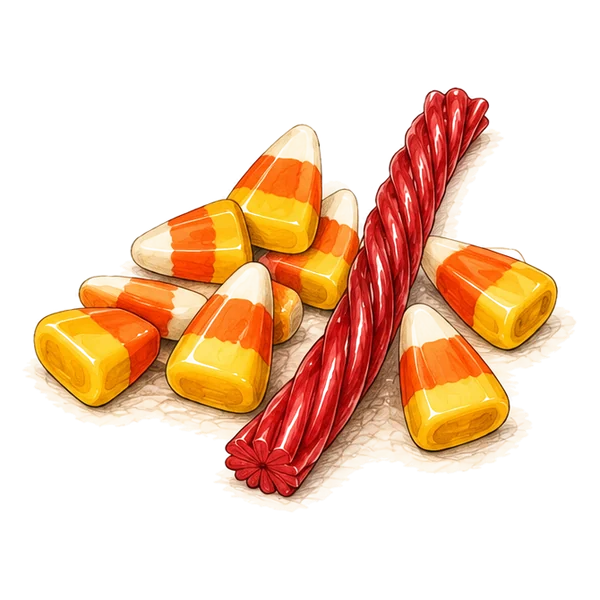
Why does American candy taste so different?
My husband has one question about American candy, and he asks it every October: why does it have to attack your mouth?
His verdict fits in two sentences. “American candy either attacks your mouth or tastes like plastic. There is no middle ground, and that sums up the American way: all or nothing.”
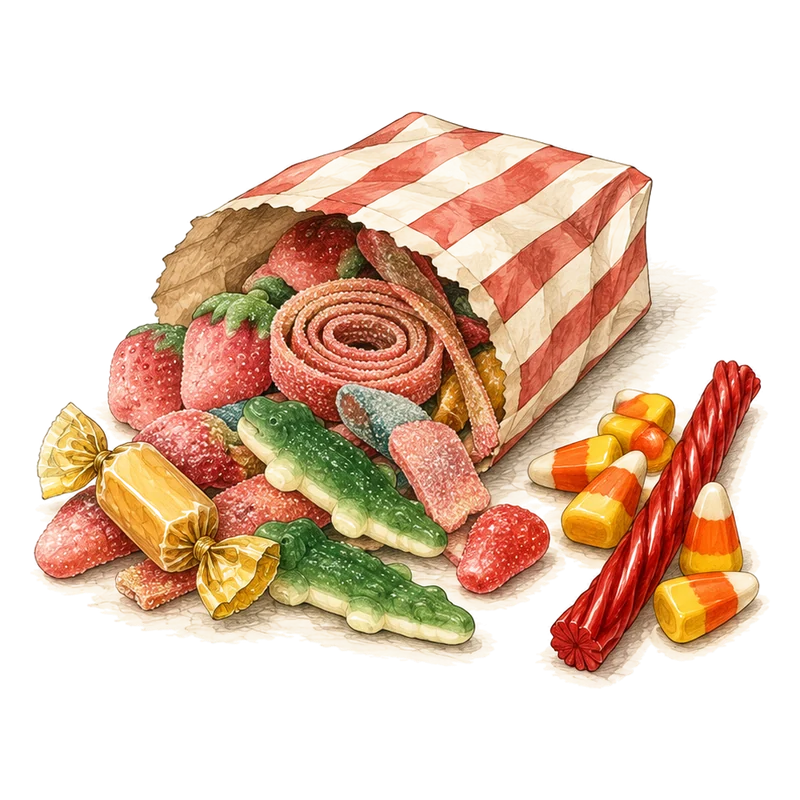
He has a point. A lot of American candy is engineered for intensity. Sour Patch Kids are rolled in a coating of citric acid, tartaric acid and sugar. Hot Tamales taste of cinnamon heat. Warheads make sourness a dare. Swedish Fish and Twizzlers are known by their colour more than by any fruit. The pleasure is the jolt.
French and European candy aims somewhere else: soft, chewy, milky, a little old-fashioned. A Carambar is caramel. A Régal’ad is a soft fruit chew. A Pierrot Gourmand is a caramel lollipop. France does have its sour side, the Têtes Brûlées made in Tourcoing come in levels of sourness, but they are the exception on the shelf, not the point of it. The sugar question goes further than candy, in why American food is so sweet.
A Frenchman tries American candy
No chocolate here. Chocolate is a different argument. These are the gummies, chews, sours and hard candies Americans grew up on, and the case my French husband makes against them.
| Candy | What it is | His verdict |
|---|---|---|
| Twizzlers | Strawberry twists, sold under the name since 1929. Only the black ones contain licorice extract. | “This is strawberry-flavoured plastic.” |
| Candy corn | A mellowcreme from the 1880s. Its ingredients include carnauba wax and confectioner’s glaze. | “This is edible candle wax.” |
| Skittles | Fruit chews in a hard, brightly coloured shell. | “Why are the colours more convincing than the flavours?” |
| Sour Patch Kids | Soft gummies in sour sugar. Born in Canada as Mars Men, sold in the United States since 1985. | “Why would you deliberately make candy painful?” |
| Nerds Gummy Clusters | A gummy centre covered in Nerds, launched in 2020. | “This looks like a laboratory accident.” |
| Warheads | Hard candy built to be as sour as possible. | — |
| Jolly Rancher | Hard candy with very intense fruit flavours. | — |
| Airheads | A stretchy fruit taffy. | — |
| Hot Tamales | Chewy candy flavoured with cinnamon. | — |
| Swedish Fish | Chewy red fish from Malaco in Sweden, made for North America from the late 1950s. | — |
Candy corn deserves its own line. Brach’s makes about 95 percent of it, some 7 billion pieces a year, and Americans argue about it as much as he does. The wax is real: carnauba, the same wax that polishes cars, gives it its shine.
What is the best French candy?
Ask my husband and you get a corner shop in Paris. After school he would take ten francs to the épicerie, about €1.50 today, and come out with a full paper bag of loose candy, picked one piece at a time: les fils, the sour strings; les fraises, the Tagada strawberries; les crocos, the gummy crocodiles; and les langues, the sour tongues. “That was the life,” he says.
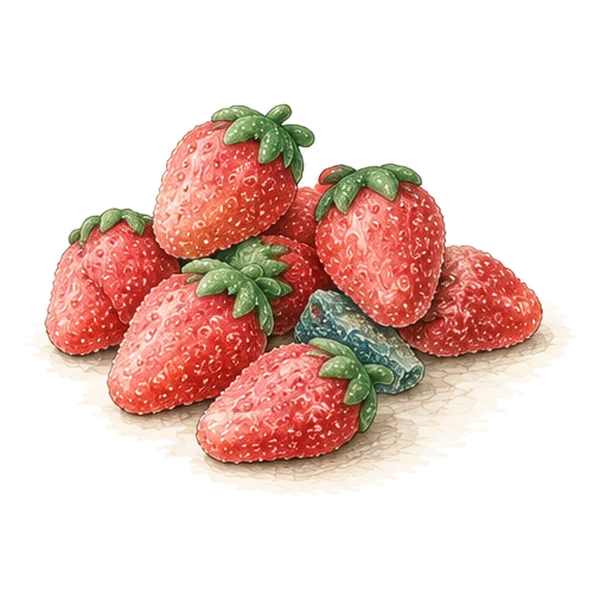
That bag is the closest thing France has to American penny candy, and every French adult has their own version of it. The names that come up again and again are the classics, most of them older than their parents.
- Haribo Fraise Tagada: the pink foam strawberry, created in France in 1969, and still one of the best-selling candies in the country. Dragibus, the small round jelly beans, are the other Haribo staple.
- Carambar: a caramel stick from 1954 with a joke printed inside the wrapper since 1969. In March 2013 the brand announced it was dropping the jokes, petitions followed, and four days later it admitted the whole thing was a stunt.
- Krema Régal’ad: soft fruit chews launched in 1961, made without gelatin.
- Michoko: soft caramel coated in chocolate, made by La Pie qui Chante since 1936.
- Pierrot Gourmand: the caramel lollipop in its harlequin paper. Georges Evrard put caramel on a wooden stick in 1924, so it could be eaten without sticky fingers.
- Malabar: the pink chewing gum from 1958, with a temporary tattoo in the wrapper.
- Lutti Arlequin: fruit hard candies with a sour edge, from a brand that goes back to 1929.
Several of these now belong to the same company: Carambar & Co owns Carambar, Krema, Malabar and La Pie qui Chante. When French kids eat candy, it is often at the goûter, the after-school snack.
This or that
How American Is Your Halloween?
One pumpkin or nineteen? A door or a twelve-foot skeleton? Six this-or-that questions.
Take the quizWhere to buy French candy in the US
You no longer need a ticket to Paris. French Wink, a French grocery in New York run by two French women, ships French candy across the United States, including most of the names above and a Halloween bundle.
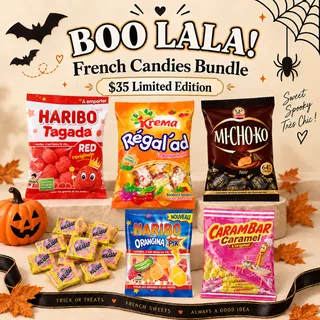 Boo Lala Halloween bundleTagada, Régal’ad, Michoko, Carambar and more, for a French trick-or-treat bowl.At French Wink →
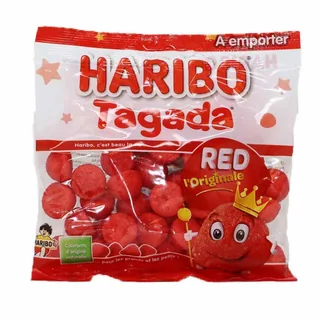 Haribo Fraise TagadaThe pink foam strawberries.At French Wink →
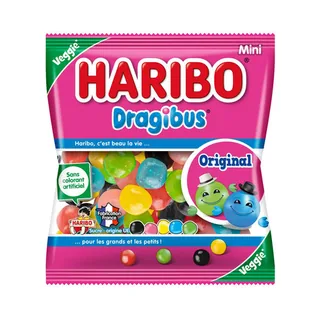 Haribo DragibusSmall round jelly beans.At French Wink →
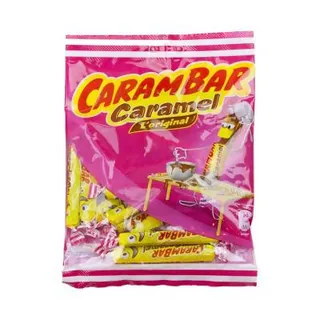 CarambarCaramel sticks, jokes included.At French Wink →
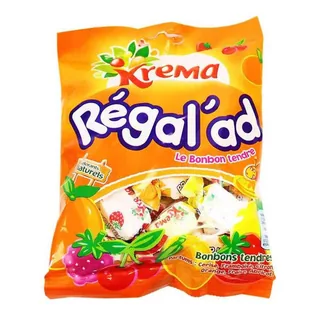 Krema Régal’adSoft fruit chews.At French Wink →
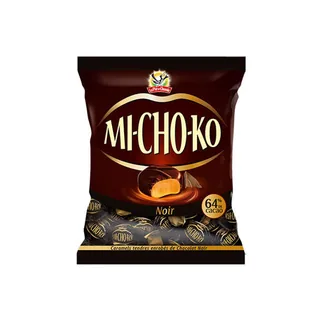 MichokoCaramel in chocolate.At French Wink →
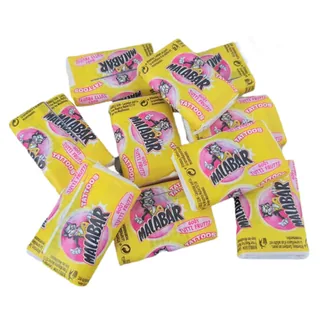 MalabarPink bubble gum, tattoo inside.At French Wink →
Prefer to browse? Their French snacks and candy page has the rest, from calissons to nougat.
Is Haribo French?
No, which is why this is really a European argument, not just a French one, and where the French lose a little ground. Haribo was founded in Bonn, Germany, in 1920 by Hans Riegel. The name is his initials and his city: HAns RIegel BOnn.
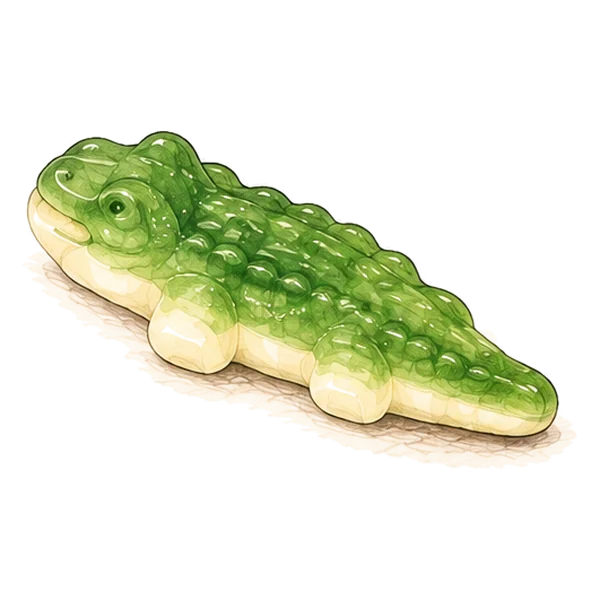
The Fraise Tagada, though, is French. Haribo’s French side created it in 1969, and the company did not expect it to sell. Today Haribo leads the French candy aisle by a long way, and Tagada and Dragibus are among its best sellers.
Which leaves one brand on both sides of this debate. Haribo Goldbears made Instacart’s list of America’s top 10 Halloween candies in 2025. A French husband and an American wife can disagree about candy corn and still share a bag of gummy bears.
Even the American list has a European in it. Swedish Fish come from Malaco in Sweden, made for the American market in the late 1950s. America did not invent the gummy; it made it louder.
Is American candy banned in Europe?
Mostly not. The idea that American candy is banned in Europe is one of the internet’s favourite myths. What is true is that a few additives are allowed on one side of the Atlantic and not the other, so some recipes change from one market to the next.
France banned titanium dioxide (E171), a white colouring, in food from 2020, and the EU followed in 2022. France banned titanium dioxide (E171), a white colouring, in food from 2020, and the EU followed in 2022. Skittles used it in the United States until Mars removed it at the end of 2024. In January 2025 the FDA banned Red No. 3 in food, with a deadline of January 2027 for manufacturers.
Does that make French candy healthier? No, and it would be dishonest to pretend otherwise. French candy is sugar and glucose syrup too, and much of it is coloured and flavoured. The real difference is taste: France likes candy soft and milky, America likes it loud.
French and European vs American candy at a glance
| France and Europe | United States | |
|---|---|---|
| Texture | Soft, chewy, foamy | Stretchy, waxy, crunchy, all at once |
| Flavour | Caramel, milk, fruit | Sour, cinnamon, “red” |
| Sour | One aisle of it | A whole category |
| The October star | Haribo, for a newer holiday | Candy corn, loved and hated |
| The childhood icon | Carambar and its jokes | Twizzlers and Swedish Fish |
Halloween itself is still young in France. How the French see it, and what happens on 1 November instead, is in is Halloween a thing in France and what is Toussaint.
Sources
- AOL, on Instacart’s 2025 Candy & Decor Trends: Halloween candy ranked by weight sold, Haribo Goldbears in the top 10.
- Marketplace (2019): candy corn’s origin, Brach’s share, about 7 billion pieces a year.
- Wikipedia, Candy corn: Wunderle (1888), ingredients including carnauba wax and confectioner’s glaze.
- Wikipedia, Twizzlers: Young & Smylie (1845), the brand (1929), ingredients, licorice extract only in black Twizzlers.
- Wikipedia, Sour Patch Kids: Mars Men in Canada, the United States from 1985, the sour sugar coating.
- Mental Floss, A brief history of Swedish Fish: Malaco, made for North America in the late 1950s.
- Wikipedia, Nerds Gummy Clusters: Ferrara, launched 2020.
- J’ai un pote dans la com, Anecdotes de marque: Haribo (Bonn, 1920) and the Fraise Tagada, created in France in 1969.
- Equinox (February 2025): best-selling candy in France, Haribo’s lead, Circana figures.
- La Libre Belgique (25 March 2013): the Carambar jokes hoax; Carambar since 1954, jokes since 1969.
- La Bible des marques, Krema: Régal’ad (1961), gelatin-free.
- Wikipedia, La Pie qui Chante: Michoko (1936), Carambar & Co since 2017.
- Wikipedia, Malabar: Kréma, 1958.
- Pierrot Gourmand press kit (2022): Georges Evrard and the lollipop on a stick, 1924.
- La Bible des marques, Arlequin by Lutti; Lutti since 1929.
- La Bible des marques, Têtes Brûlées: very sour candy by Verquin, Tourcoing.
- The Local (April 2019): France bans titanium dioxide (E171) in food from 2020.
- 10TV Verify: the EU ban on E171, in force August 2022.
- Food Safety Magazine (May 2025): Mars removed titanium dioxide from U.S. Skittles at the end of 2024.
- McGuireWoods: the FDA revokes Red No. 3, 15 January 2025, with a 15 January 2027 deadline for food.
- YouGov France (October 2021): how the French see Halloween.
Questions, answered
Why does American candy taste different from French and European candy?
American candy leans on intensity: sour sugar coatings, cinnamon heat, bright colours and bold artificial fruit flavours. French candy leans on soft textures, caramel, milk and fruit.
What is the best French candy?
Every French adult has a list. The classics are Haribo’s Fraise Tagada and Dragibus, Carambar, Krema Régal’ad, Michoko, Malabar, Pierrot Gourmand lollipops and Lutti Arlequin, plus loose sour strings and sour tongues.
What is the most popular candy in France?
Haribo dominates the French candy aisle, and its Fraise Tagada and Dragibus are among the best sellers. Carambar, Krema Régal’ad and Malabar are the classic French brands.
Is Haribo French or German?
German. Haribo was founded in Bonn in 1920 by Hans Riegel. The Fraise Tagada, one of its most famous candies, was created in France in 1969.
What is candy corn made of?
Mostly sugar, corn syrup and honey, with gelatin, salt and colourings. Its shine comes from carnauba wax and confectioner’s glaze. Brach’s makes about 95 percent of it.
Is American candy banned in Europe?
Mostly not. A few additives are treated differently, such as titanium dioxide (E171), banned in EU food since 2022, so some recipes differ between markets.
Is French candy healthier than American candy?
Not really. Both are mostly sugar and glucose syrup. Some additive rules differ, such as the French ban on titanium dioxide since 2020, but the bigger difference is taste and texture.
Still wondering?
Ask my French husband.
A short ruling in a few seconds. Written by AI from our Journal, in his voice.
He judges America weekly on Instagram, and Le Bulletin collects the best of it.
Before you go
How American Are You?
He has a theory about how American you are. Eight questions will settle it.