Your vote
Snacks between meals?
One tap. No email needed.
So the French never snack?
Not never — but there is no cultural slot for it. Eating between meals is not forbidden so much as slightly odd, the way eating a full dinner at 3pm would read as odd elsewhere. The absence of snacking is not restraint; it is that the day already has its meals in it.
What is the goûter, exactly?
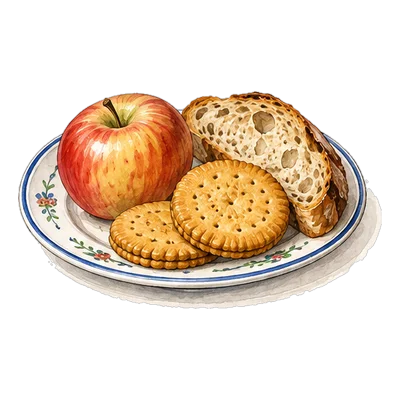
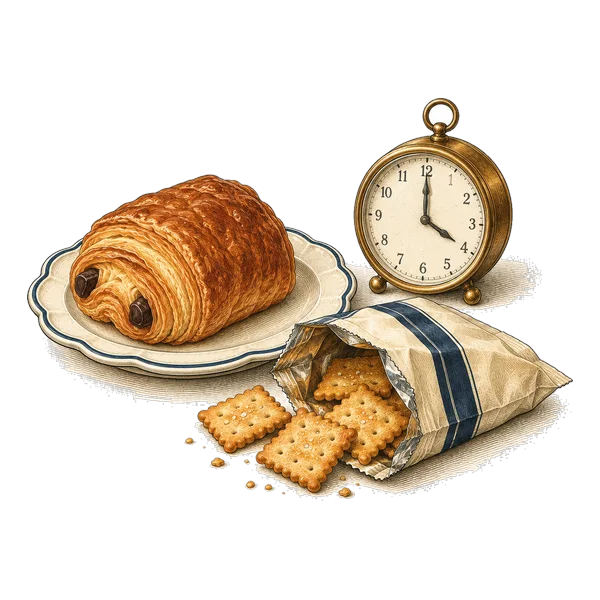
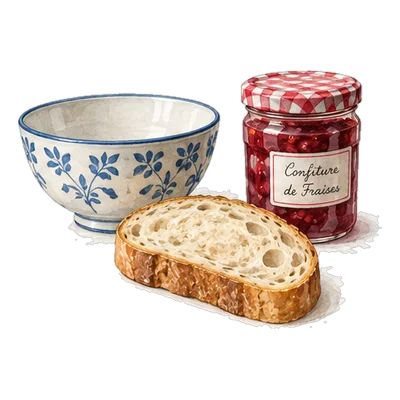
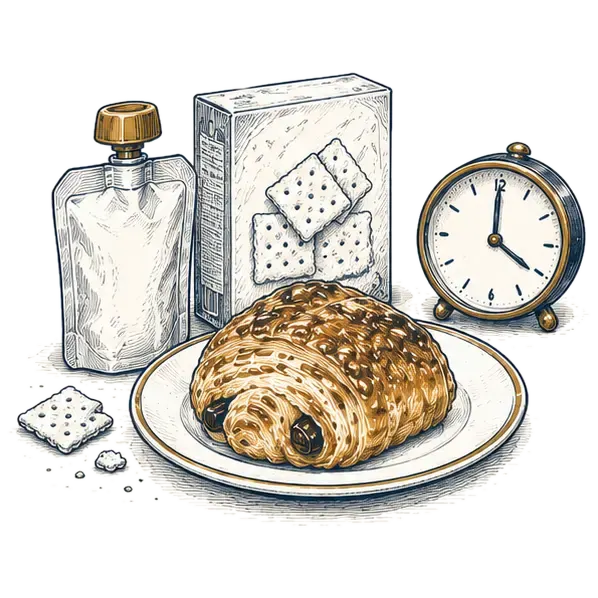
A single afternoon snack for children, at a fixed hour, usually something simple — bread and chocolate, a piece of fruit, a yoghurt. It is a real category with a name, which is precisely why it does not sprawl. The full explanation is here.
This or that
Do You Parent French or American?
Snacks on demand or four o’clock sharp? The car line or walking alone? Eight this-or-that questions.
Take the quizWhy does this feel strict to Americans?
Because American food culture treats eating as continuously available, and a snack drawer is a normal fixture of an office and a car. In France the meal is the unit. What looks like discipline is mostly the absence of the opportunity.
Questions, answered
Do French people snack between meals?
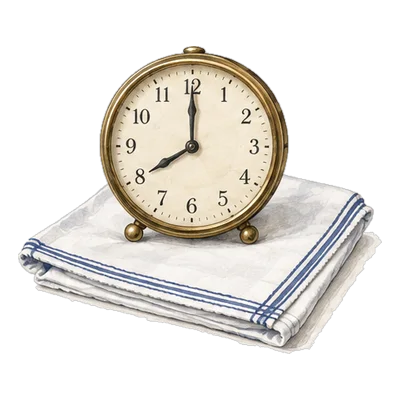
Generally no. France runs on three fixed meals and eating between them is treated as unusual. The one structured exception is the goûter, an afternoon snack for children at around four o’clock.
What is a goûter?
A scheduled afternoon snack for French children, eaten around 16h after school. It is usually simple — bread with chocolate, fruit, or a yoghurt — and it is a named meal rather than free grazing.
Do French adults eat the goûter?
Not as a rule. The goûter is a children’s meal. An adult eating one is generally being affectionate about it rather than following a convention.
Still wondering?
Ask my French husband.
A short ruling in a few seconds. Written by AI from our Journal, in his voice.
He judges America weekly on Instagram, and Le Bulletin collects the best of it.

Before you go
What Would a French Person Judge You For?
Snacks, pajamas, Crocs and dinner at 5:15. Eight questions, one verdict.