
My husband is French. I am American. Our kitchen in Massachusetts is a permanent, mostly polite negotiation between two complete food systems — and fifteen million people watched it happen in ten weeks. This page is the map: every question we've answered, organized the way the culture gap actually works.
The clock: when France eats, and why it matters
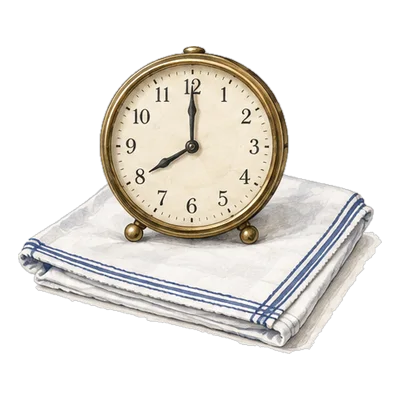
Start here, because the schedule is the culture. France eats late and eats on time; America eats early and eats continuously. Understanding the French food clock explains almost everything else — including how three small boys make it to an 8 PM dinner alive: why the French eat dinner at 8, kids included, and the institution that makes it possible, the goûter — France's scheduled 4 PM snack, explained. The clock is also the honest answer to the internet's favorite question — why are French people thin? — and the day begins smaller than you think: the French breakfast, explained. Dinner itself is smaller than the stereotype - what a typical French dinner actually looks like - and it ends the way all French meals do: with the cheese course. Even bedtime obeys the clock: why 8 PM bedtime works.
The children: one menu, no negotiations
The second pillar of the system: French children are not fed a separate cuisine. There is no nugget menu; there is the menu, in smaller portions, and one magic phrase — « tu goûtes ». The full philosophy is here: why French kids eat what adults eat. For the practical American application, how to run a French goûter entirely from a US supermarket — approved swaps and failed inspections included. School handles lunch differently on each side of the Atlantic — what French kids eat at la cantine.
The field notes: America, observed
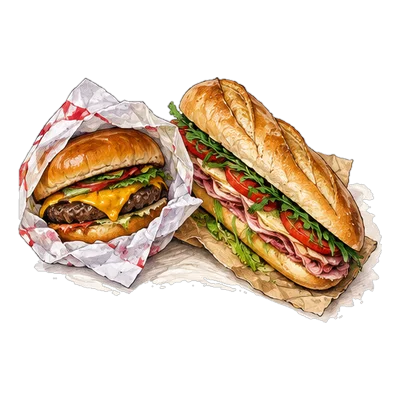
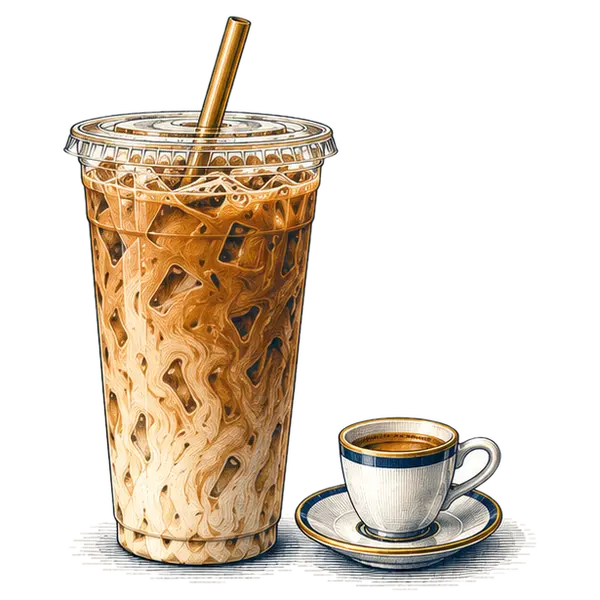
The other half of the show is his ongoing survey of American food infrastructure, conducted with the gravity of a state visit: the American grocery store through French eyes (the carts, the cold, the creamer wall) and what the French really think of American coffee (a two-sip nation meets the 32-ounce iced latte). And for balance, the leaked document: the American things he secretly loves - including, under strict protocols, fast food, which the French eat more than they admit. And the dairy case gets its own jurisprudence: why French butter is better, by law — as does the water aisle, where we made him taste three French bottled waters against three American ones, blind.
The official test
Could You Survive a French Dinner Party?
When to arrive, what to bring, where to put your hands. Eight questions. I failed all of them in real life.
Take the quizThe verdict
After years of running both systems in one house: France wins on structure, ritual, and children who eat mussels. America wins on produce, convenience, and the radical idea that dinner can happen before dark. The marriage runs on French rules with American exceptions — and this guide grows as the assimilation continues, slowly, under protest.
New field notes land on Instagram daily and in Le Bulletin.
Questions, answered
What time do the French actually eat dinner?
French families typically eat dinner around 8 PM — children included. The late hour works because of the structured French food day: a substantial lunch, a scheduled 4 PM goûter for kids, and no snacking in between, so everyone arrives at the table genuinely hungry. Read the full answer →
Why is French butter better?
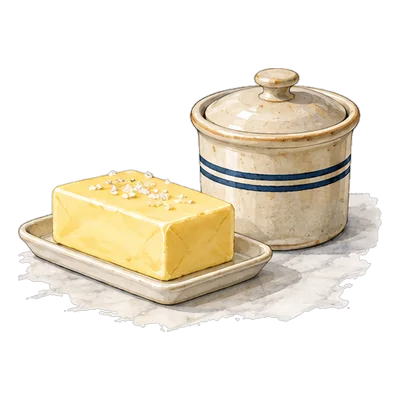
French butter is better mostly by regulation and method: it must contain at least 82% butterfat (versus the 80% US minimum), it's traditionally cultured - fermented slightly before churning, which adds a faint tang - and the beloved versions carry sea salt crystals. Read the full answer →
What do French people eat for breakfast?
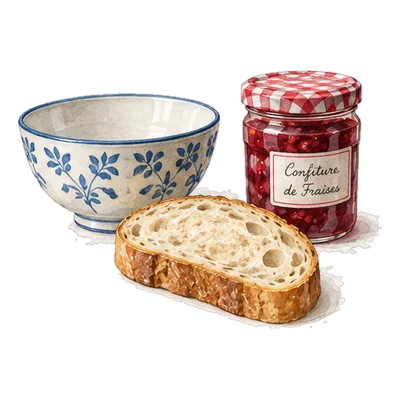
A typical French breakfast is small and sweet: a tartine (baguette with butter and jam), coffee or hot chocolate, sometimes yogurt or fruit - with croissants reserved mainly for weekends. Read the full answer →
Do French people snack?
Mostly no. France runs on three fixed meals, and eating between them is treated as a small breach rather than a normal event. The exception is the goûter, a single scheduled afternoon snack for children at around four o’clock. Read the full answer →
Why are French people thin?
French people stay lean not through dieting but through structure: three set meals plus one children's gouter, small portions eaten slowly at a table, almost no snacking or sugary drinks between meals, and more daily walking. Read the full answer →
Still wondering?
Ask my French husband.
A short ruling in a few seconds. Written by AI from our Journal, in his voice.
Before you go
How American Are You?
He has a theory about how American you are. Eight questions will settle it.